My research explores how language reflects, constructs, and contests identity, belonging, and power.
Working primarily through ethnographic and sociolinguistic methods, I study how language ideologies and communicative practices shape cultural expression, educational experience, and social belonging. I trace these dynamics in two settings: Cajun dancehalls, where local identity and global discourse intersect, and multilingual classrooms, where students negotiate the same forces in real time. My central focus is on how language practices sustain, transform, and sometimes unsettle cultural continuity. These are often contests over who speaks correctly, and who has the standing to say so.
Research Interests
Language, Equity, and Pedagogy
· Linguicism, language-based discrimination, and linguistic equity
· Complexity, scaffolding, and adaptive teaching practices in ESL/EMI contexts
· Metalinguistic and metacognitive awareness in multilingual learning
Sociolinguistics and Language Ideologies
· Metapragmatic awareness and language ideologies in interaction
· Language attitudes, linguistic authority, and their social consequences
· Authenticity, representation, and commodification in Cajun language and media
Anthropology of Language, Communication, and Belonging
· Ethnography of communication and multimodal embodied interaction
· Contemporary Cajun language practices, belonging, and cultural continuity
· Cultural authentication, participation, and locally produced forms of identity
Publications, Manuscripts, and Current Research
Stanford, Nichole E., M. Ryan DeJean, et al. “Grammar Freedom Fighters: A Multimodal Class Project to Shift Language Bias on Campus.”In Reframing Writing: New Ideas about the Work of Writers. WAC Clearinghouse. Forthcoming. Co-authored textbook chapter presenting a multimodal class project that invites students to identify, analyze, and challenge language bias on campus. The chapter frames writing pedagogy as a site for linguistic equity, helping students reconsider dominant assumptions about correctness, standard English, and the social consequences of language policing.
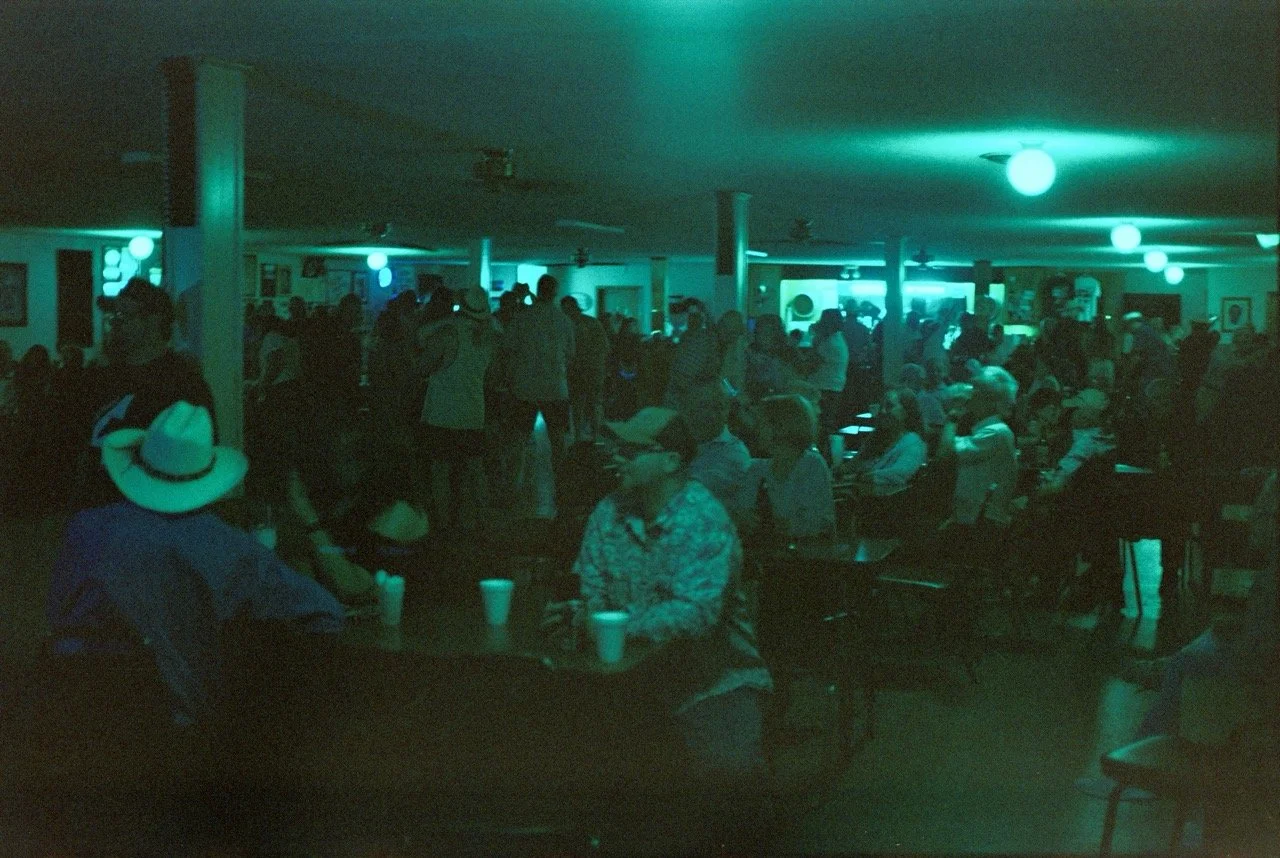
DeJean, M. Ryan. “La Poussiere: Participation, Belonging, and Cultural Continuity in a Cajun Dance Hall.” Manuscript submitted to Language in Society. Ethnographic article based on participant observation at a Cajun dance hall in Breaux Bridge, Louisiana, examining how cultural belonging is enacted through embodied participation, interactional rhythm, and locally recognizable social competence. The article situates contemporary participation within the dance hall’s history of racial exclusion and uneven institutional transformation, arguing that Cajunness emerges through practice rather than ancestry, heritage display, or language proficiency alone.
DeJean, M. Ryan, Nichole E. Stanford, and Catelyn Errington. “Putting on the Poo-Yai: A Critical Discourse Analysis of Cajun Authentication Practices.” Manuscript submitted to American Speech. Co-authored critical discourse analysis drawing on interviews with Cajun entertainers and digital comment discourse to examine how Cajun authenticity is claimed, granted, policed, and commodified within contemporary media and cultural markets. The article traces tensions between lived community practice, insider authentication, stereotype performance, and market-facing representations of “authentic Cajun” identity.
Resonant Belongings: Embodied Communication and the Limits of Cultural Continuity in Acadian Communities. Doctoral research proposal investigating whether embodied communicative practices—prosody, gesture, rhythm, and bodily alignment in dance halls and equivalent communal spaces—produce recognizable resonances across historically linked Acadian communities in Louisiana, New Brunswick, and western France, while examining how cultural continuity is locally produced within distinct social formations.
Conferences
“La Poussiere: Rhythms of Identity, Belonging, and Cultural Continuity in a Cajun Dance Hall.” Conference paper presenting the core ethnographic argument that belonging at a Cajun dance hall is produced through multimodal communication, embodied participation, and shared social rhythm, while situating contemporary inclusion within the site’s longer history of racial exclusion.
· Tulane Conference on Linguistics (T-CoL), Tulane University, New Orleans, 2026
· Global Souths Conference, University of Louisiana at Lafayette, 2026
“Managing Complexity in ESL Classrooms: Rethinking Bloom’s Taxonomy and Higher-Order Thinking.” Conference presentation and practice-oriented workshop reframing Bloom’s Taxonomy through second language acquisition theory to show how multilingual learners engage in higher-order cognition even at emerging levels of English proficiency. The session offered ESL-friendly adaptations of Bloom’s framework and practical language for making scaffolded communicative rigor visible within institutional observation and evaluation systems.
· LaTESOL Conference, 2025